


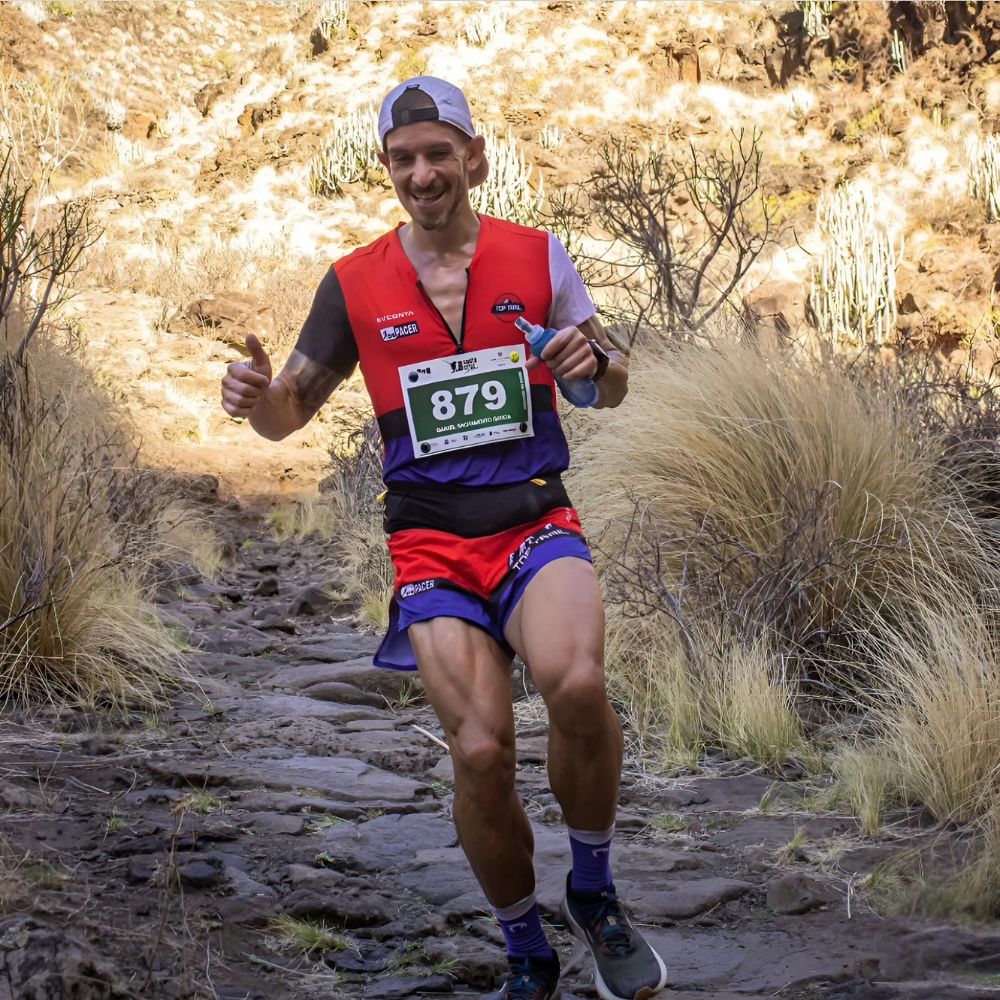
Are you warming up properly?
Is it important to prepare your body and mind before doing any physical activity?

Many of us skip this important step for various reasons, but it is important to emphasize all the benefits that a pre and post-workout warm-up provides, such as:
-
Increased blood flow: Stretching increases blood flow to muscles and joints, which in turn improves tissue oxygenation and nutrition. This helps prepare muscles for physical exertion and reduces the risk of injury.
-
Improved flexibility: Regular stretching increases muscle flexibility and range of motion in the joints. Greater flexibility reduces muscle tension and stiffness, allowing for more efficient movement during exercise.
-
Injury prevention: Proper stretching before exercise helps reduce the risk of muscle injuries, tendonitis, tears, and other sport-related injuries. More flexible muscles have a greater ability to absorb impact and respond to unexpected movements.
-
Neuromuscular activation: Dynamic stretches (active movements) during warm-up help activate nerves and prepare them for better communication with muscles. This improves coordination and control of movements during physical activity.
-
Increased body temperature: Warming up with stretches increases body temperature, which improves the elasticity of connective and muscle tissues. A warmer body also allows muscles to work more efficiently.
-
Improved performance: An adequate warm-up with stretches can improve sports performance. Prepared and flexible muscles can produce more force and power, leading to better performance in sports or physical activity.
-
Mental preparation: Warming up with stretches is also an opportunity to focus and mentally prepare for the physical activity to be performed. It helps to focus on the task, reduce anxiety, and be ready to face the challenges of exercise.
Here are some dynamic stretching ideas you can incorporate into your warm-up routine:
- Arm circles: Stand with arms extended to your sides and make wide circles forward, then backward.
- Hip rotations: Place your hands on your hips and make gentle circles with your hips clockwise and then counterclockwise.
- High knee marching: March in place, lifting your knees towards your chest with each step.
- Heels to glutes: March in place, lifting your heels towards your glutes with each step.
- Lunges with a twist: Take a step forward into a lunge, then twist your torso towards the front leg. Repeat with the other leg.
- Jumping jacks: Jump with your feet open to the sides, then bring your feet together in the air, crossing them.
- Leg swings: Stand and swing one leg forward and backward, keeping your back straight. Repeat with the other leg.
- Waist twists: With your feet shoulder-width apart, twist your waist from side to side, keeping your arms relaxed.
- Hip flexions: Stand and lift one leg forward, keeping it straight, then slowly lower it. Repeat with the other leg.
- Running in place: Run in place, lifting your knees and moving your arms as if you were running.
It is important to avoid bouncing and sudden movements. Additionally, it is advisable to combine stretching with a brief cardiovascular warm-up, such as light jogging or jumping jacks, to gradually raise your heart rate and body temperature.
Stretching after physical activity is equally important as part of the cool-down or post-exercise cool-down. Static stretches are performed by holding a position for a period of time to increase flexibility and range of motion.
Here are some key reasons why stretching is beneficial:
-
Reduced muscle tension: After intense exercise, muscles can be tense and shortened. Post-exercise stretching helps relax muscles and relieve tension accumulated during physical activity.
-
Prevention of stiffness: Stretching after exercise helps prevent muscle stiffness that can occur after an intense workout. By maintaining muscle flexibility, recovery is facilitated, and you avoid feeling stiff and sore the next day.
-
Improved blood circulation: Post-exercise stretching promotes blood flow to muscles and tissues, which helps eliminate metabolic waste products that accumulate during exercise and promotes recovery.
-
Long-term flexibility increase: Regular stretching after exercise helps improve and maintain flexibility over time. Greater flexibility provides better joint mobility and reduces the risk of muscle and joint injuries.
-
Cramp prevention: Stretching after exercise can help prevent muscle cramps that sometimes occur after intense physical activity.
-
Relaxation and well-being: Stretching after exercise can have a relaxing and comforting effect, helping to reduce stress and promote a general sense of well-being.
-
Reduced risk of injury: Stretching muscles after exercise can help prevent muscle shortening and tension that can lead to subsequent injuries.
Here are some examples of static stretches you can incorporate after your workout or as part of a flexibility routine:
- Quadriceps stretch: Standing, hold one of your ankles with your hand and pull your heel towards your glutes. Hold the position for 20-30 seconds on each leg.
- Hamstring stretch: Sit on the floor with your legs stretched out in front of you. Lean forward from your hips and reach for your feet with your hands. Hold the position for 20-30 seconds.
- Calf stretch: Lean against a wall with one leg forward and the other back. Bend the knee of the front leg while keeping the back leg straight and your heel on the ground. Hold the position for 20-30 seconds on each leg.
- Hip flexor stretch: Kneel on the floor with one leg bent forward and the other back. Lean forward from your hips until you feel the stretch in the front of the thigh of the back leg. Hold the position for 20-30 seconds on each leg.
- Back muscle stretch: Sit on the floor with your legs stretched out. Then, lean forward from your hips and try to touch your toes with your hands. Hold the position for 20-30 seconds.
- Chest muscle stretch: Place one hand on a wall or doorframe at shoulder height and turn your body to the opposite side. Hold the position for 20-30 seconds on each arm.
- Shoulder muscle stretch: Cross one arm in front of your chest and use the other arm to hold it in place. Hold the position for 20-30 seconds on each arm.
- Neck muscle stretch: Gently tilt your head to one side, bringing your ear towards your shoulder, and hold the position for 20-30 seconds. Repeat on the other side.
We hope these basic but very important tips help you achieve your goals.