


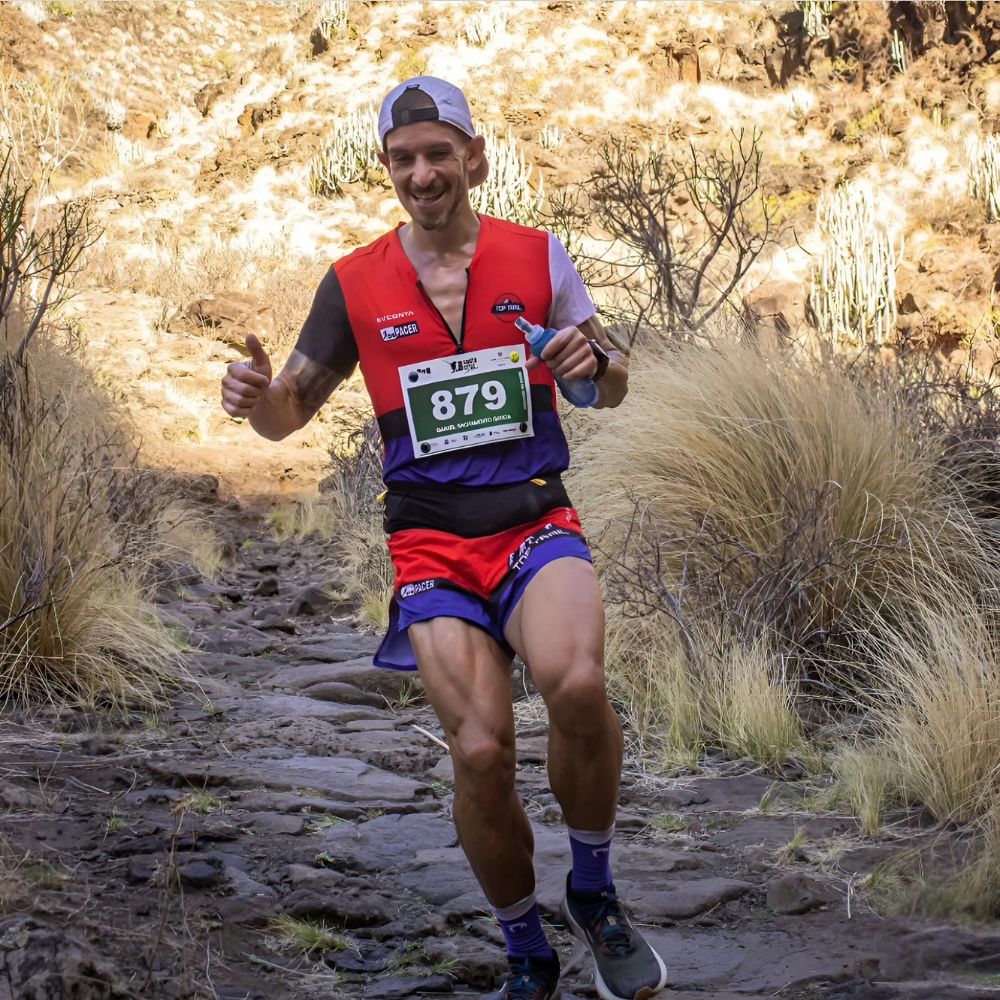
Penyagolosa Trails: History, Route, and Preparation
This competition is not only a sporting challenge but also an opportunity to connect with nature and enjoy breathtaking landscapes. Join us to discover more about its origin, route, and how to prepare for it.
Origin of Penyagolosa Trails
The Penyagolosa Trails has its roots in ancient pilgrimage routes to the sanctuary of Sant Joan de Penyagolosa. This race officially began in 1999 with the intention of promoting the sport of trail running and highlighting the natural environment of the province of Castellón. Over the years, it has gained renown and has become a prominent event within the calendar of mountain races in Spain.
Route Description
The Penyagolosa Trails route is known for its beauty and technical difficulty. The race offers several modalities, with the most notable being:
-
CSP (Castellón-Penyagolosa): A route of approximately 110 kilometers with an accumulated positive elevation gain of 5,600 meters. It is one of the toughest and most demanding tests, perfect for the most experienced runners.
-
MiM (Marató i Mitja): With 60 kilometers of route and an accumulated positive elevation gain of 3,300 meters, it is ideal for those looking for a significant challenge, but with a more affordable distance.
Both routes cross diverse landscapes, from wooded areas to high mountain trails, passing through picturesque villages and historic monuments.

How to Prepare for the Race
1. Physical Training:
- Endurance: Incorporate progressively longer distance training to accustom your body to prolonged effort.
- Strength: Work on strengthening your leg and core muscles to improve your performance on uneven terrain.
- Technique: Practice on trails similar to those of the race to familiarize yourself with the terrain conditions.
2. Mental Training:
- Mental preparation is crucial. Visualize the route, set intermediate goals, and practice concentration and motivation techniques.
3. Nutrition and Hydration:
- Plan your nutrition before and during the race. Test different nutrition strategies during your training to find what works best for you.
- Maintain adequate hydration, carrying enough liquids and mineral salts with you.
4. Equipment:
- Wear appropriate trail running footwear, preferably ones you have already tested in training.
- Carry technical clothing that protects you from weather conditions and a light backpack with essentials: water, food, map, and a first aid kit.